Aoi Furukawa

"Through the Austrian Audio microphone, I began to think that "the microphone is also an instrument." The amount of information and density of the atmosphere was so overwhelming that it felt like a different instrument."
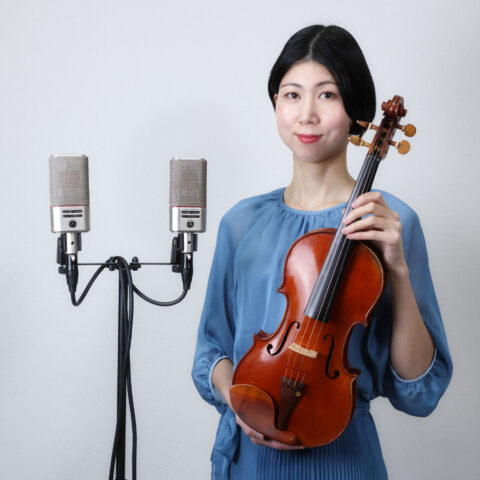
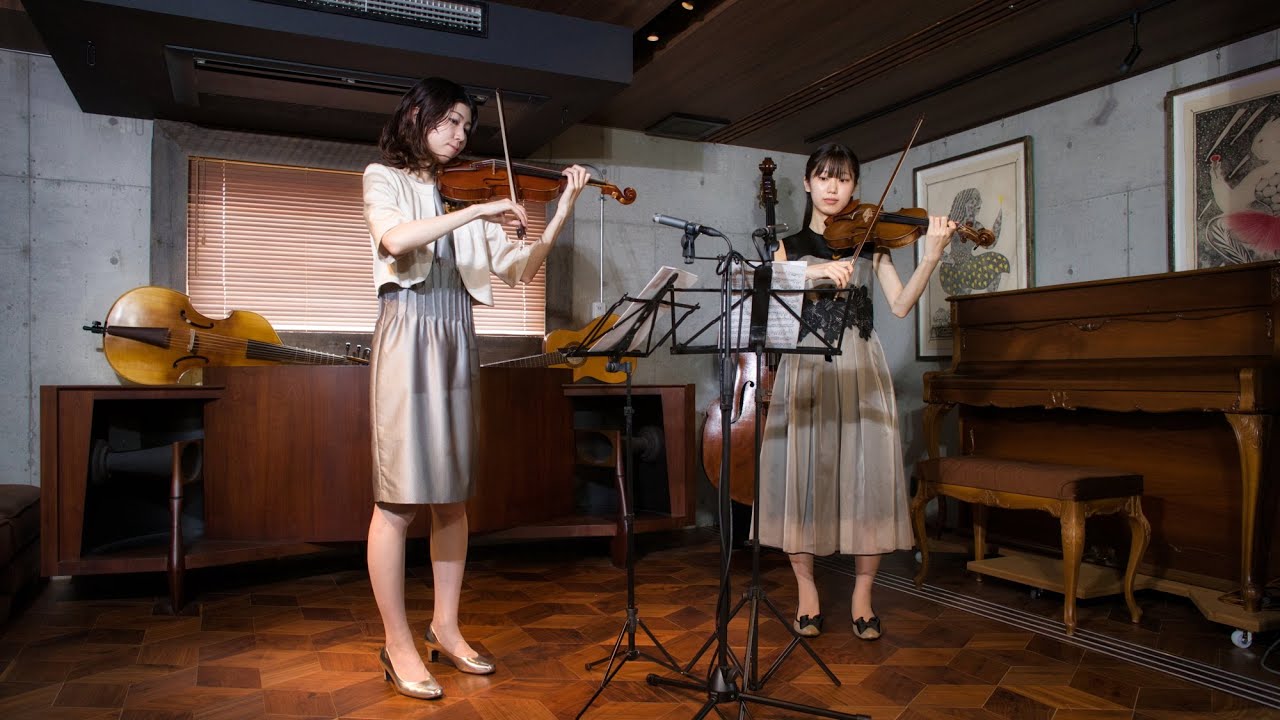
Aoi Furukawa is a violinist based in Kyoto. She devotes herself to producing performance videos in order to share the wonder of music through the violin with as many people as possible, and records many of them with Austrian Audio microphones. She says that her experience recording with Austrian Audio made her think of the microphone as an instrument.
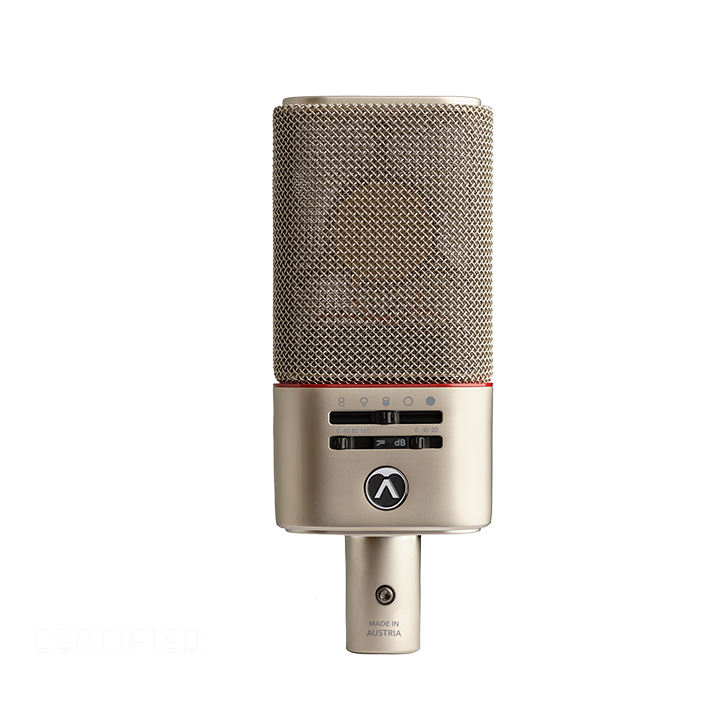
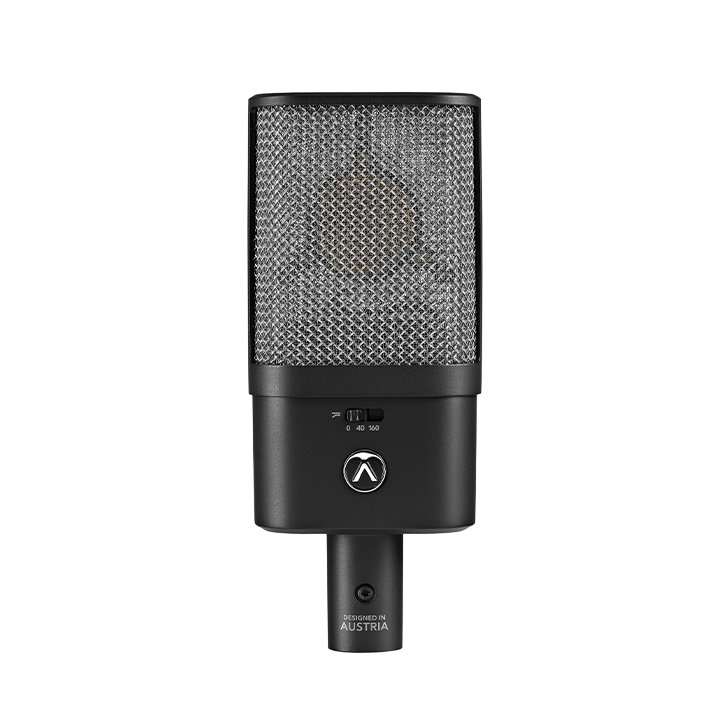
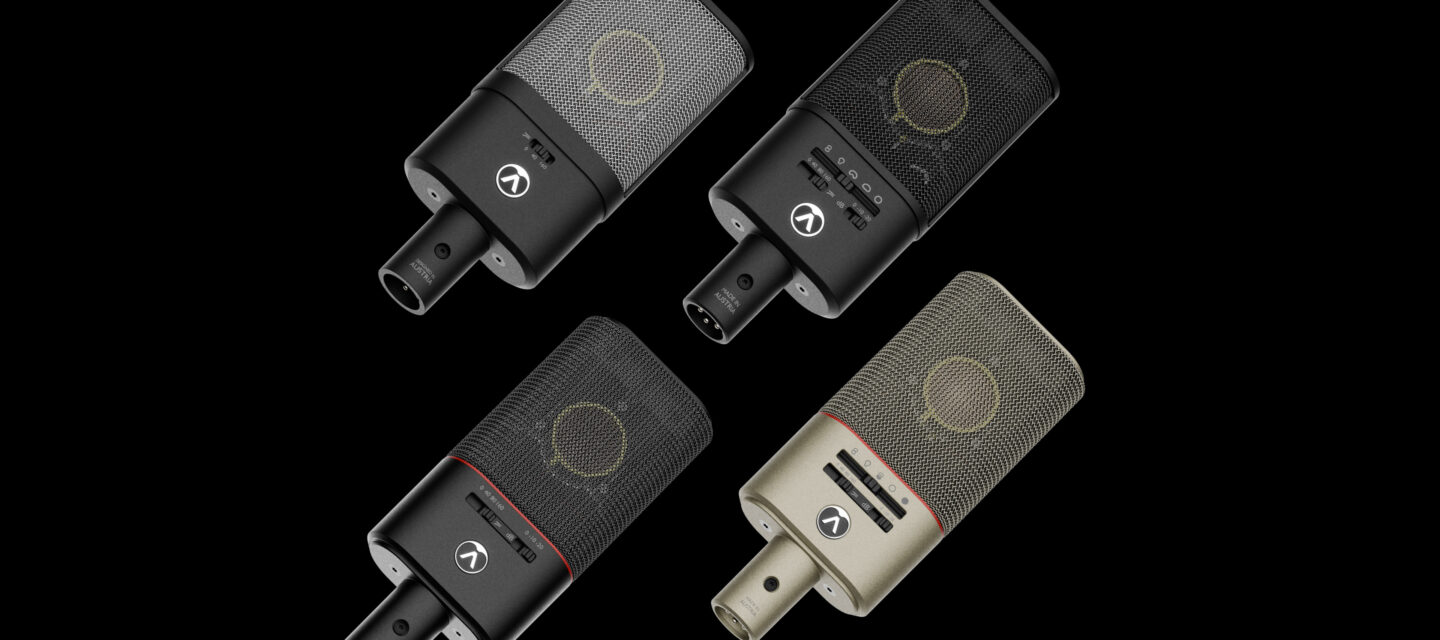
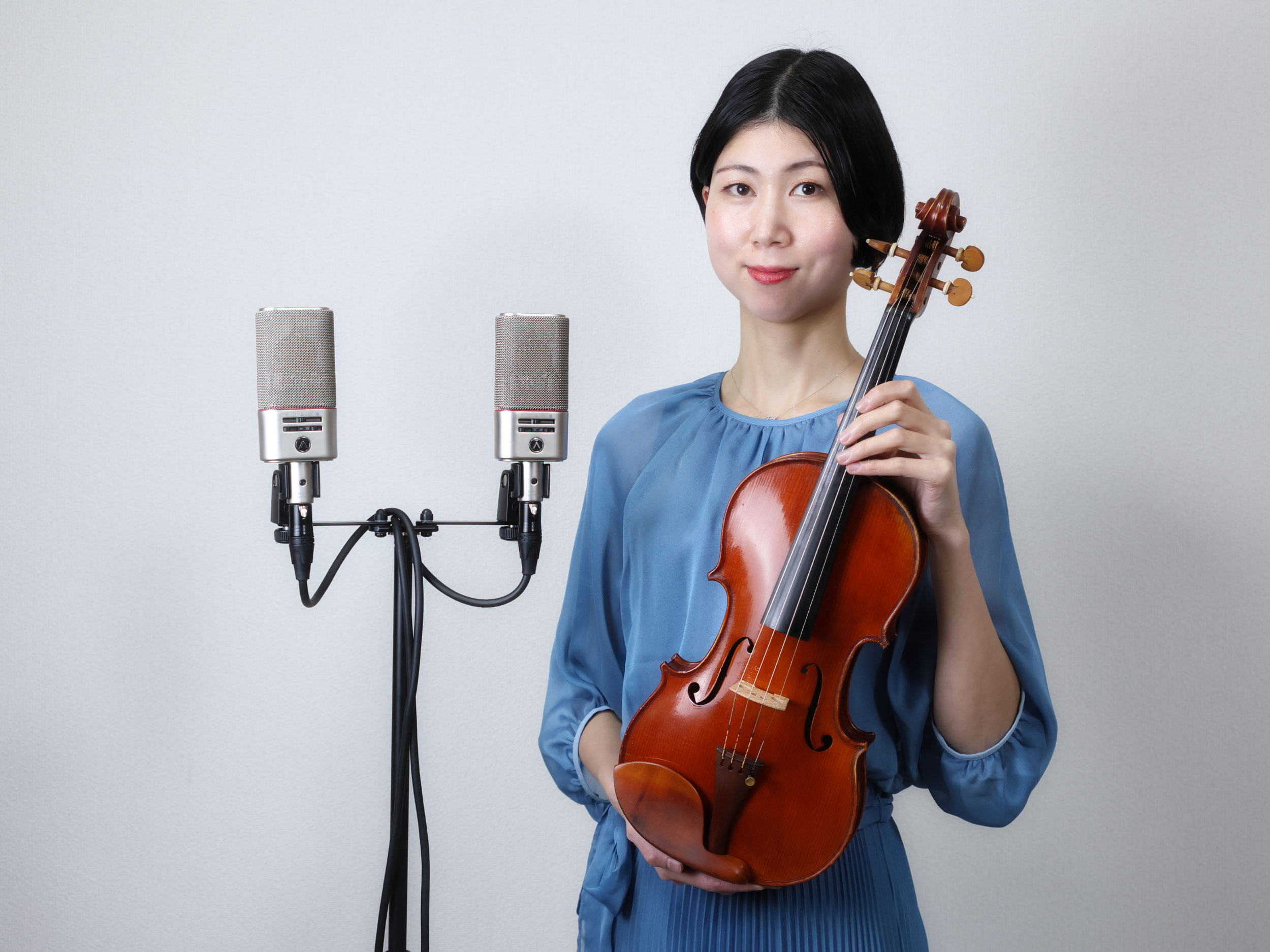
My first Austrian Audio microphone was an OC16 . I had tried several microphones up until then, but I felt like the subtle nuances of the violin were disappearing or the original sound wasn’t being captured. Then an acquaintance told me that the OC16 was extremely good for recording shamisen. I felt that the high-frequency components of the shamisen and the components played with a bow on a violin do indeed have similar characteristics, so I tried it out and was surprised by the natural, “gentle” sound. I was so impressed with the sound that I now also use the OC818 , which allows for XY/MS recording and post-production.
When recording with Austrian Audio microphones, even the friction sounds and noises unique to string instruments that would be lost in the ambient sounds and microphone artifacts of live performances or heavily-tuned microphones emerge with a rich sense of presence. They beautifully capture the sense of the live sound approaching you, along with the reverberation of the hall. The moment I first heard the OC818 recording, I couldn’t help but exclaim, “The instrument has changed!” The sheer volume of information and sense of atmosphere was so impressive. I was initially astonished by the overwhelming sound density, with even the friction sounds and left-hand touch meticulously reproduced, and it prompted me to reevaluate my own playing technique and style. Recording with Austrian Audio felt like training to make the microphone sound better, and I began to think of the microphone as an instrument in itself.
I was also surprised by how resistant it was to humidity, despite the extremely delicate sound. Even when I accidentally left the microphone overnight in adverse conditions that worsened the sound of a violin stored in its case, the microphone recorded without a single noise, despite the instrument’s poor condition. This demonstrates the high quality of the product. Additionally,
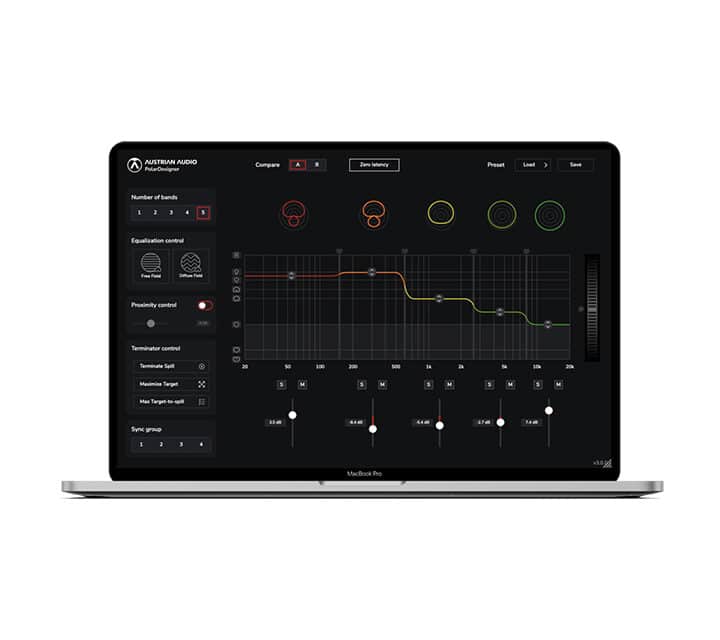
the Polar Designer plug-in, which allows you to change the directivity for each frequency band after the fact, was also interesting. I was truly impressed by the ability to freely control the “location of sound” after the fact, such as by making the violin’s sweet fundamental tone and the 1kHz to 2kHz range unidirectional and spreading the low and ultra-high frequencies omnidirectional.
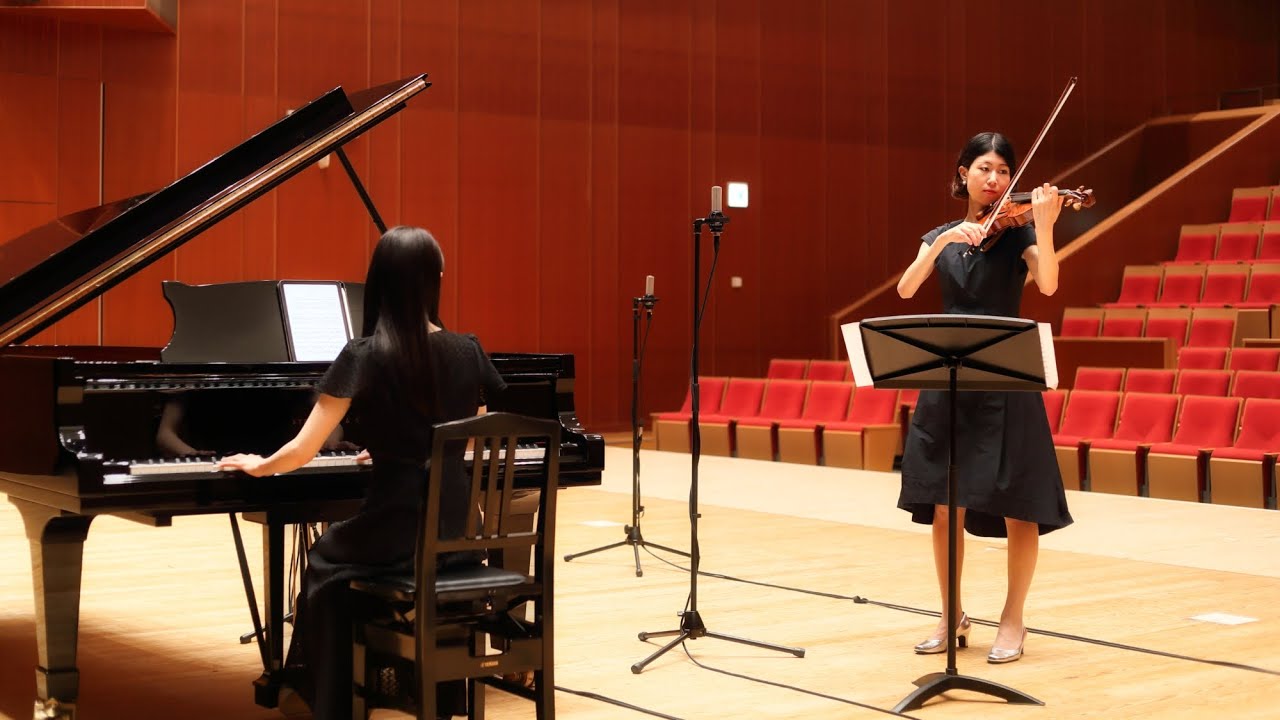
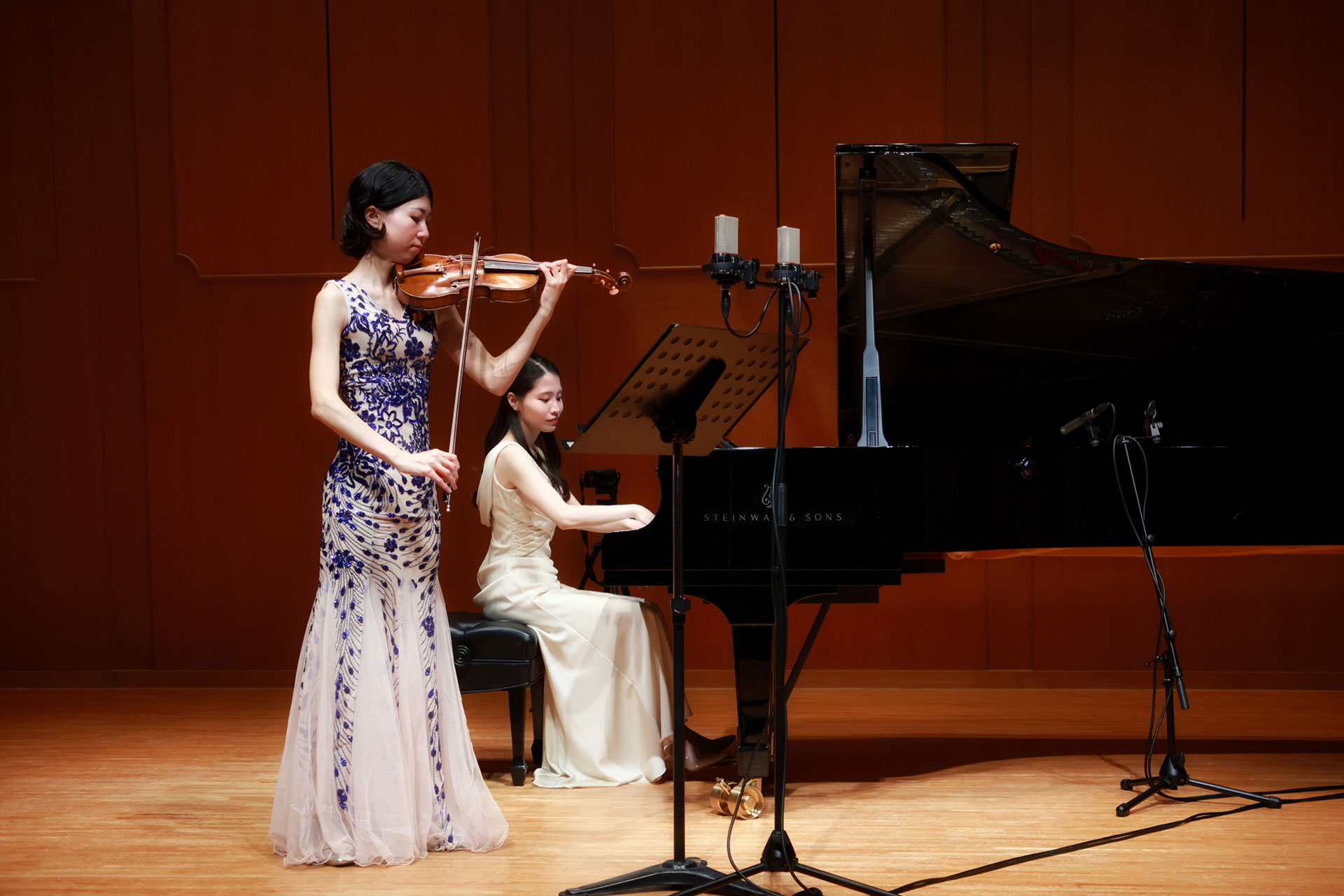
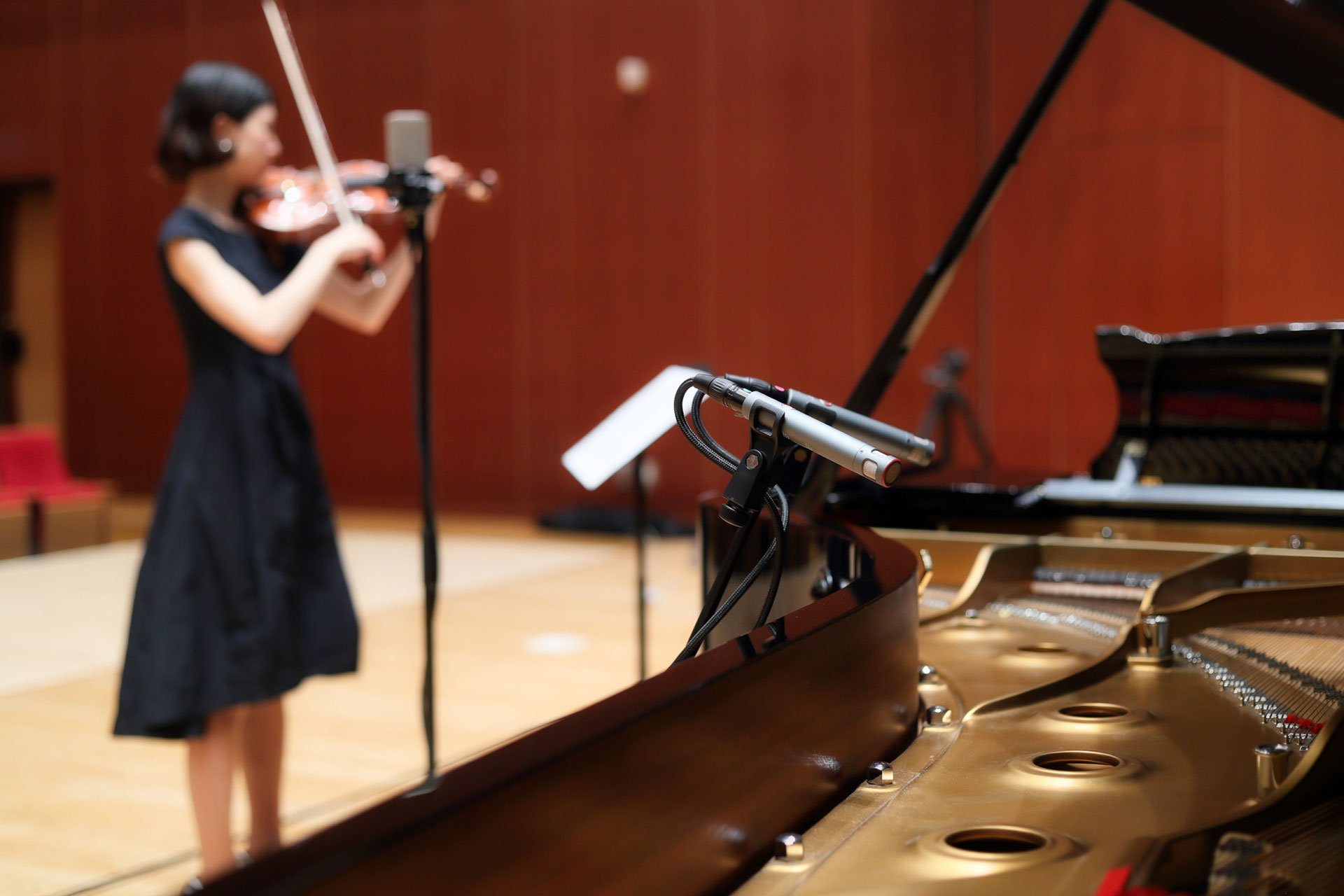
I also had the opportunity to record with the pencil-type CC8 microphone, and it was also excellent. I used it for a grand piano and violin duo, and it perfectly met my request to record two instruments of different sizes and explosive power in a compact, explosive manner. While many pencil-type microphones tend to be harsh, this one faithfully captured the piano sound, even the keystrokes, in a linear manner. The pianist was impressed, saying, “Even though there’s no microphone here, the sound is being recorded through the hammer.”
In the future, I would like to try some cutting-edge experiments, such as placing a string quartet in a wide area, placing an OC818 in the middle, and recording it with VR footage using AmbiCreator or similar.
More about Aoi Furukawa
At the age of four, she became fascinated by the sound of the violin and began to study it in earnest, learning the joy of music and the fundamentals of being a musician through solfeggio and ensemble playing at the Kyoto Children’s Music School.
After graduating from Kyoto Municipal Music High School (now Kyoto Municipal Kyoto Horikawa Music High School) and the Faculty of Music at Kyoto City University of Arts, he began his career as a professional violinist.
He has broadened his range of performance expression by receiving direct instruction from renowned musicians and instructors from Japan and abroad at venues such as the Nice Summer International Music Academy and the New York Summit Music Festival.
In 2018, he held a recital sponsored by the Aoyama Foundation, deepening his musicality. He has also performed with orchestras such as the Kyoto New Festival Orchestra.
He has studied under Kayo Tonoike, Riko Murase, Himari Umehara, Kazuhiro Takagi, and Kazunori Sato, and has pursued further exploration, captivating audiences with his wide range of activities, including solo and chamber music, guest orchestral performance, and serving as concertmaster for the Kyoto New Festival Orchestra. He is also actively involved in recording and video production as a violinist, and is a full-time lecturer at the Kyoto Children’s Music School, Music Education Research Association, Faculty of Music, Kyoto City University of Arts, where he is passionate about nurturing the next generation of musicians and fostering future musicians.
Official Website
Official YouTube
Official X
Official Instagram